
Breast Pads: A Practical Guide to Comfort and Everyday Use
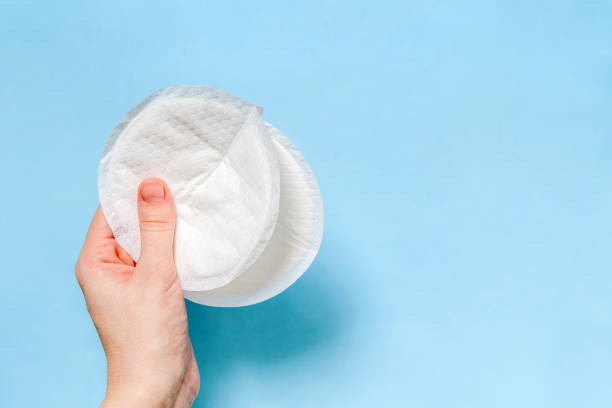
Breast milk leakage is a common experience during breastfeeding, particularly during the early months when milk production and feeding patterns are still becoming established. breast pads are designed to sit inside a bra and absorb leaking milk, helping keep clothing dry and making everyday breastfeeding routines more manageable.
Different products vary in absorbency, thickness, shape and materials. Understanding these features can help nursing mothers select an option that feels comfortable while providing an appropriate level of protection.
What Are Nursing Pads Used For?
Nursing pads provide an absorbent layer between the breast and clothing. They can be useful when leakage occurs between feeds, during the night or when feeding from the opposite breast triggers milk flow.
Mothers considering breast pads can review product information concerning absorbency, construction, fit and recommended use. Individual requirements vary considerably, so the most appropriate option may depend on the frequency and amount of leakage experienced.
A secure fit can also help keep the pad appropriately positioned during normal daily activities.
Consider Absorbency and Leakage Protection
Absorbency is an important feature when comparing nursing pads. Some mothers experience occasional light leakage, while others may require greater protection at particular stages of breastfeeding.
An effective absorbent layer should retain moisture while helping reduce contact between wetness and clothing. However, pads should still be changed when they become damp rather than being worn for unnecessarily long periods.
Mothers experiencing heavier leakage may find that carrying spare pads provides additional convenience when away from home.
Prioritise Comfort and Fit
Because breast pads can remain in contact with sensitive skin for extended periods, comfort is an important consideration. A pad should fit naturally inside the bra without creating unnecessary pressure or excessive bulk.
Contoured designs may help follow the shape of the breast, while adhesive sections on some disposable products can help minimise movement. The bra itself should also fit comfortably without pressing the pad too tightly against the skin.
Individual preferences can differ, so trying a suitable product can help determine which design works best for everyday use.
Pay Attention to Breathability
Keeping the breast area reasonably dry is useful for maintaining comfort. A pad that remains wet for too long can contribute to skin irritation, particularly when leakage is frequent.
Changing pads regularly can help manage moisture. If the skin becomes persistently red, painful, cracked or irritated, consider discussing the symptoms with a qualified healthcare professional.
Disposable or Reusable Options
Disposable nursing pads are convenient because they can be replaced and discarded after use. Individually packaged options may also be practical for carrying in a handbag or changing while travelling.
Reusable pads can be washed and worn again, although they require appropriate laundering and drying. The preferred option depends on personal convenience, lifestyle, absorbency requirements and washing routines.
Maintain Good Hygiene
Hands should be clean when changing nursing pads, particularly when the nipple area is sensitive or damaged. Used disposable pads should be discarded appropriately, while reusable versions should be washed according to their care instructions.
Fresh pads should be stored in a clean, dry location until needed.
Pack Extras When Going Out
Keeping spare breast pads in a changing bag can be useful during longer trips. Mothers may also want to carry other breastfeeding essentials based on their normal feeding routine.
Having replacements readily available allows damp pads to be changed without waiting until returning home.
Conclusion
breast pads can provide a simple way to manage breast milk leakage while supporting comfort and protecting clothing. When choosing a product, consider absorbency, fit, breathability and convenience alongside personal breastfeeding needs. Regular changing and appropriate hygiene can help keep the breast area comfortable, while persistent pain or skin problems should be discussed with a healthcare professional.