
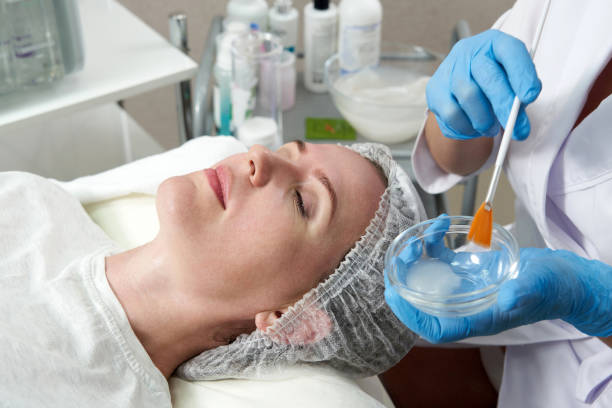
Hyperpigmentation—those stubborn dark patches that won’t fade—can be difficult to treat with regular skincare. Whether it’s caused by acne, sun damage, or hormonal fluctuations, many Malaysians turn to a chemical peel for hyperpigmentation as a targeted solution. But how does it actually work, and is it suitable for your skin?
What Is a Chemical Peel for Hyperpigmentation?
A chemical peel for hyperpigmentation is a non-invasive treatment that removes damaged skin cells using an acid solution. This stimulates new skin cell turnover, helping to fade dark spots and even out your complexion.
How It Works
There are three main types of chemical peels, each suitable for different levels of pigmentation:
- Superficial peels: Use mild acids like glycolic or lactic acid to exfoliate gently—ideal for mild pigmentation.
- Medium-depth peels: Penetrate deeper using trichloroacetic acid (TCA), suitable for melasma and sunspots.
- Deep peels: Use phenol and are only recommended for severe pigmentation; these require medical supervision and extended downtime.
These peels break down excess melanin in the skin, reduce the appearance of dark patches, and reveal smoother, more evenly toned skin.
Benefits of Chemical Peels for Hyperpigmentation
- Brightens skin tone
- Reduces acne scars and age spots
- Stimulates collagen production
- Enhances skin texture and clarity
Unlike topical creams that take months, visible results from peels can appear within a few sessions, making them a faster, more efficient solution.
Is It Safe for All Skin Types?
Chemical peels can be safely used on most skin types, but those with deeper skin tones (Fitzpatrick IV-VI) should proceed with caution. There is a higher risk of post-inflammatory hyperpigmentation (PIH) if the wrong peel is used.
Always consult a licensed practitioner who can recommend the right peel strength and formulation based on your skin tone, pigmentation type, and history.
What to Expect During & After Treatment
The procedure usually takes 20–30 minutes. You may feel mild tingling or heat as the acid is applied. Post-treatment, expect some redness, mild peeling, and sun sensitivity for a few days.
Aftercare Tips:
- Avoid sun exposure completely for at least a week
- Moisturise with non-comedogenic products
- Use broad-spectrum SPF 50 daily
- Avoid active ingredients (retinoids, AHAs) for several days
Results typically improve over a course of 3–6 sessions, spaced 2–4 weeks apart.
Where to Get a Chemical Peel in Malaysia
If you’re looking for a reliable, professional provider, consider chemical peel for hyperpigmentation services at Dr Chong Clinic, which tailors treatments specifically for Malaysian skin types and concerns.
Conclusion: Is It Worth Trying?
Absolutely. A chemical peel for hyperpigmentation is a science-backed, dermatologist-approved treatment that delivers visible results—especially when administered by a qualified expert. If you’ve been frustrated by stubborn pigmentation, it might be time to explore this option.
Take the next step toward clearer, more confident skin. Book a consultation with a certified aesthetic professional today and discover if a chemical peel is the right solution for you.
Also on this site