
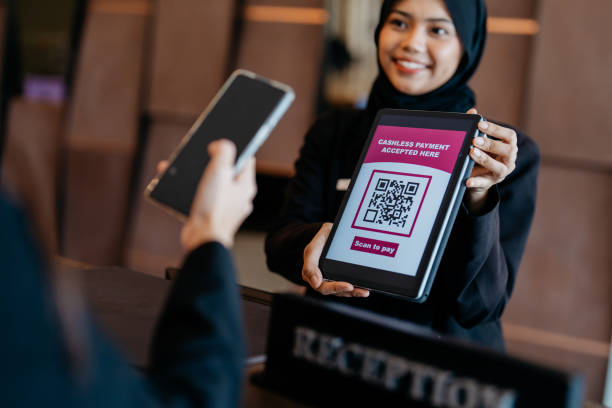
QR Pay Malaysia has become one of the fastest-growing cashless payment methods in the country, driven by rising smartphone usage and government-backed initiatives like DuitNow. Today, customers expect quick, contactless transactions—whether they’re buying coffee, paying for groceries, or settling invoices. For Malaysian businesses, adopting QR payments is no longer a “nice to have”; it’s a competitive necessity.
In simple terms, QR Pay Malaysia allows customers to scan a merchant’s QR code using their banking or e-wallet app to complete payments instantly. There’s no need for cash, cards, or expensive hardware—just a QR code and a mobile device.
What Is QR Pay Malaysia and How Does It Work?
QR Pay Malaysia refers to QR-based payment systems that enable customers to make instant bank-to-bank or e-wallet payments by scanning a merchant’s QR code.
Here’s how a typical transaction works:
- The merchant displays a QR code (static or dynamic).
- The customer scans it using a supported banking or e-wallet app.
- The payment amount is confirmed and approved within seconds.
- Funds are transferred directly to the merchant’s account.
Most Malaysian QR payments are powered by interoperable systems, meaning one QR code can accept payments from multiple banks and apps—greatly reducing friction at checkout.
Why QR Pay Malaysia Is Gaining Popularity Among SMEs
From my experience working with local SMEs, many initially adopt QR payments to reduce cash handling—but soon realise the broader operational benefits.
Key advantages include:
- Lower setup costs compared to traditional card terminals
- Faster checkout times, especially during peak hours
- Improved cash flow with near-instant settlements
- Better transaction records for accounting and reconciliation
- Customer convenience, particularly for mobile-first consumers
For microbusinesses and hawkers, QR Pay Malaysia has also leveled the playing field, allowing them to offer digital payments without large upfront investment.
Is QR Pay Malaysia Safe and Reliable?
Yes—QR payments in Malaysia operate under strict banking and regulatory frameworks. Transactions are encrypted, authenticated via secure banking apps, and traceable, reducing risks associated with cash theft or loss. Merchants also benefit from clearer audit trails, which helps with compliance and financial reporting.
How Businesses Can Get Started with QR Pay Malaysia
Choosing the right QR payment solution depends on your business size, transaction volume, and banking preferences. Look for:
- Wide bank and e-wallet compatibility
- Transparent fees
- Easy onboarding and merchant support
- Fast settlement timelines
One option worth exploring is qr pay Malaysia, which enables businesses to accept DuitNow QR payments seamlessly across multiple banking apps.
Final Thoughts: Is QR Pay Malaysia Worth It?
In short—yes. QR Pay Malaysia offers a practical, scalable way for businesses to meet modern payment expectations while improving efficiency and cash flow. As Malaysia continues its push toward a cashless economy, early adoption gives businesses a clear advantage.